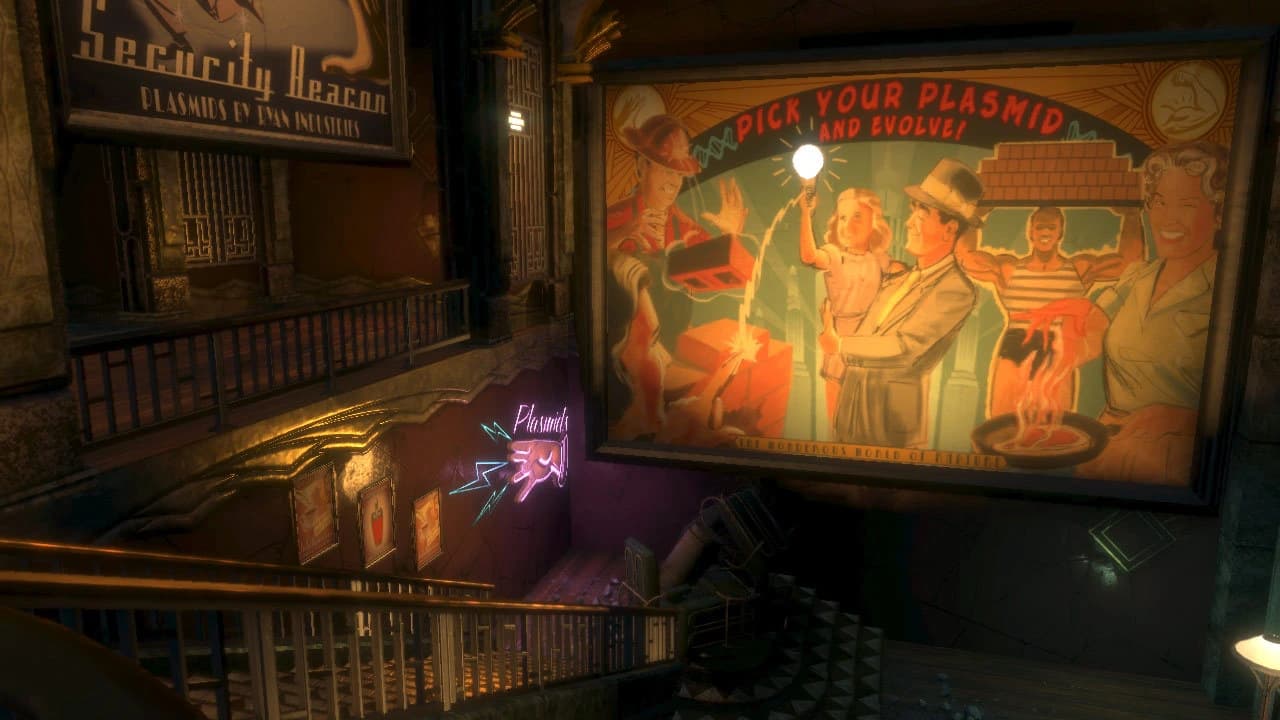
Discover how world design, skeletal placement, and subtle details tell powerful stories without relying on long cutscenes or dialogue trees.
Show, Don't Tell
In narrative media, dialogue is often king. However, video games possess a unique storytelling tool that no film or book can replicate: interactive space. Environmental storytelling allows developers to embed lore directly into the world, transforming passive environments into active mystery scenes for the player to piece together.
1. The Micro-Narratives in Every Room
Environmental storytelling thrives on small, contextual details scattered throughout the map:
Skeletal Staging: A lone skeleton holding an empty cup next to a spilled bottle reveals a quiet final moment before collapse.
Property Decay: Broken barricades, scorch marks on doors, and frantic wall scrawls depict the chaos of a past battle without displaying a single cutscene.
Item Placement: Finding rare health items tucked behind an overturned table subtly suggests a desperate last stand by a previous survivor.
2. Rewards for Observant Players
Unlike unskippable exposition dumps, environmental narrative design respects player curiosity:
Passive Worldbuilding: Players who run straight to objective markers get the core story, while curious players who explore corners uncover deeper context.
Environmental Intuition: Learning the history of a location—such as noticing flood lines on walls—can warn players of upcoming environmental hazards or underwater sections.
"The best game worlds don't just feel like levels designed for a player; they feel like places where people lived, struggled, and left something behind."
Building Believable Worlds
By trusting players to observe and infer, game designers create far more immersive experiences. When a game's world tells its own story naturally, every room becomes an adventure in exploration.