

Gameplay Review: Death Stranding 2: On the Beach [FAKE REVIEW]
Core Mechanics & Navigation Physics
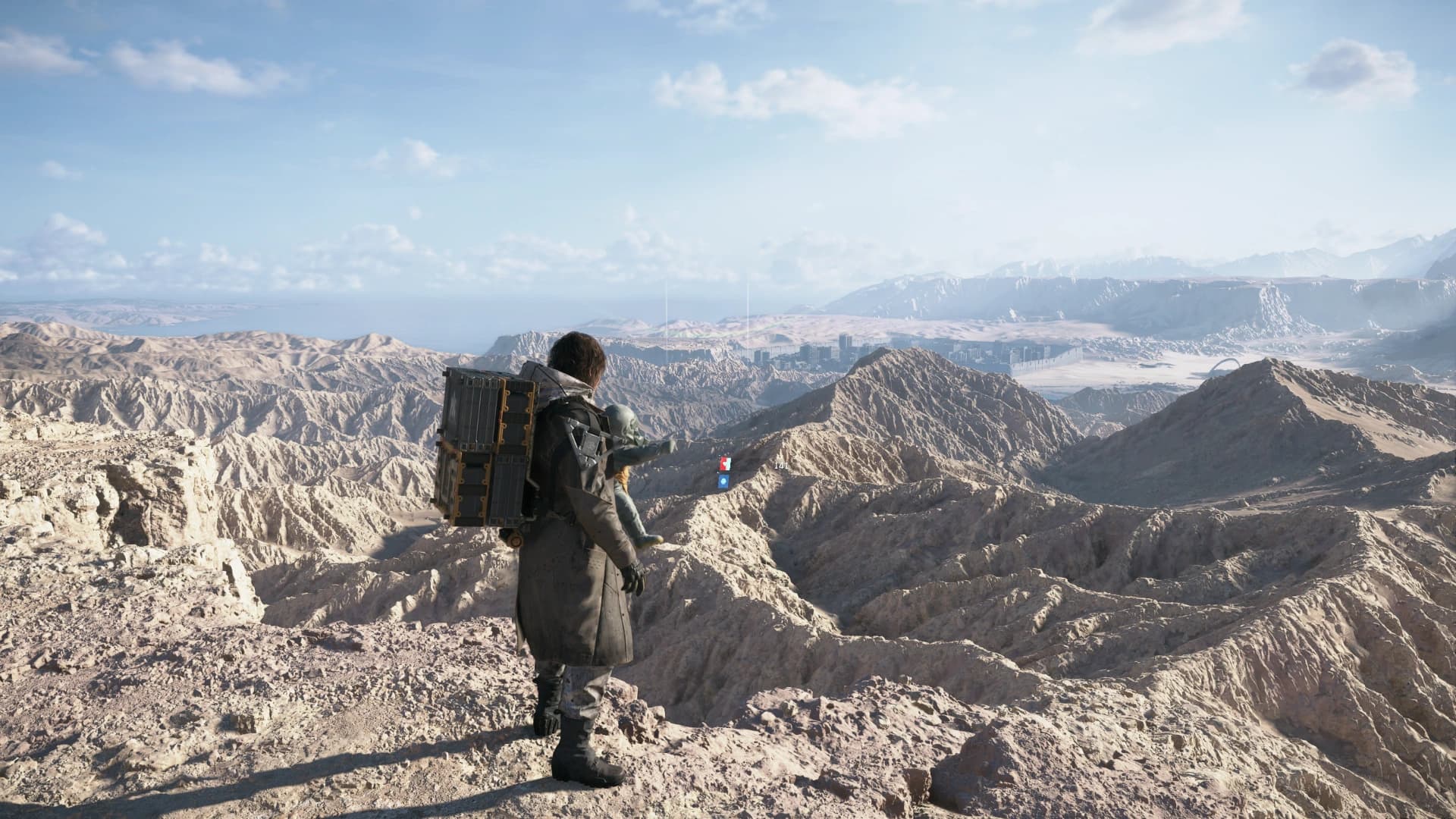
Death Stranding 2: On the Beach refines and expands the core traversal gameplay that defined the original, transforming terrain navigation into an engaging, active mechanical puzzle. As Sam Porter Bridges, every step requires deliberate planning, weight balancing, and gear management across vast, unpredictable biomes.
The movement engine introduces key physical refinements:
Dynamic Terrain Feedback: Traversing soft desert sand, slippery river beds, slick mud, and steep rocky inclines requires real-time weight adjustments. Falling over is rarely random; it directly reflects poor center-of-gravity planning or stamina exhaustion.
Expanded Movement Toolkit: In addition to classic ladders, ropes, and exo-suits, DS2 introduces specialized gear like terrain-carving grappling hooks, motorized zip lines, and adaptive footwear designed for harsh elemental conditions.
Environmental Hazards & Dynamic Events
The world itself acts as the primary antagonist. Traversal is constantly disrupted by catastrophic, real-time natural events powered by chiral storms:
Flash Floods & Earthquakes: Sudden downpours can swell dry river beds into raging currents that wash away cargo, while tremors collapse natural paths and require instant rerouting.
Wildfires & Sandstorms: Dust storms completely sever visual visibility, forcing players to rely heavily on terrain scanners and acoustic pings to maintain direction.
Terrain Reshaping: Dynamic weather shifts actively reshape routes over time, ensuring that returning to previously cleared areas presents fresh navigational challenges.
Combat, BT Encounters & Stealth Mechanics
Combat receives a massive overhaul in DS2, offering far greater tactical flexibility without losing the high-stakes tension of survival.
Diversified Arsenal: Sam has access to a wide array of non-lethal and lethal firearms, chiral-infused traps, slick combat knives, and defensive barriers.
Aggressive BT Encounters: Beached Things (BTs) are faster, more erratic, and feature diverse horror variants. Stealth remains critical—holding your breath, balancing cargo noise, and using cover—but players now possess reactive parry and counter-attack options when spotted.
Human Faction Encounters: Combat against rival automated drones and rogue delivery cults feels fast-paced and punchy, encouraging dynamic switching between stealth takedowns, cover shooting, and vehicle-based combat.
Logistics, Base Building & Asynchronous Multiplayer
The signature asynchronous multiplayer system returns with expanded community-driven mechanics:
The DHV Magellan: Serving as a mobile, customizable base of operations, the Magellan allows Sam to rest, manufacture high-grade equipment, repair damaged cargo, and fast-travel to connected regions.
Shared Infrastructure: Players across the globe passively assist each other by building paved roads, bridges, charging stations, and monorails. Over time, desolate wilderness transitions into an interconnected, highway-linked network.
Custom Supply Lines: Setting up automated delivery routes and cargo catapults allows players to streamline resource transportation to remote outposts efficiently.
Gameplay Score: 9.4 / 10
Summary: A brilliant evolution of traversal game design that blends rewarding physical movement, dynamic environmental hazards, versatile combat, and deeply satisfying logistics into a truly unique open-world loop.
Pros
- pro
- pro
- pro
Cons
- con
- con
- con